

Seal it! Guides
Keeping bread fresh: 5 tips for fewer dry leftovers
What belongs in the bread bin, and what in the freezer? Five simple tips for soft bread, crisp crusts and fewer leftovers.
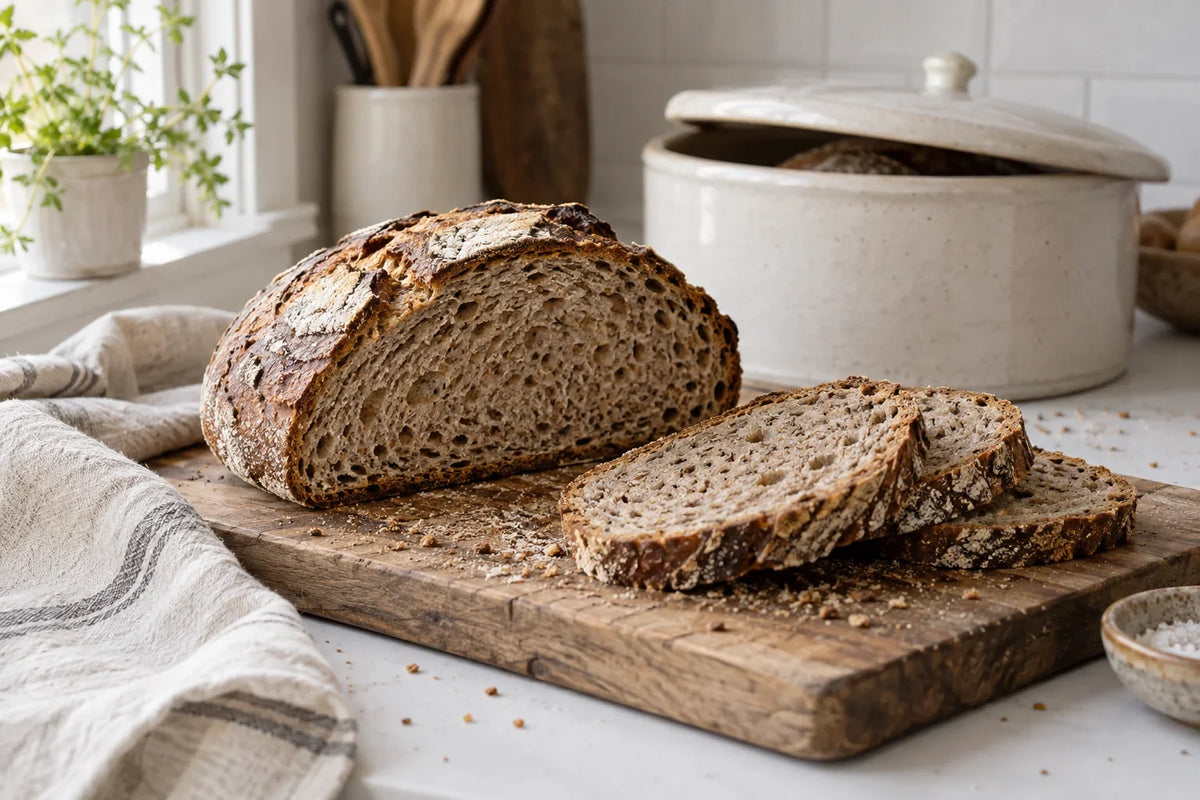
Bread stays freshest when you keep enough for the next few meals at room temperature and freeze the rest early. A bread bin protects the loaf; a baker's paper bag better preserves a crisp crust in the short term. The right option also depends on when you plan to eat the bread.
You do not need elaborate kitchen equipment. These five tips help you divide your purchase sensibly, avoid dry slices and make good use of sound leftovers.
1. Divide the loaf as soon as you get home
Do not wait until bread is hard before freezing it. Decide at home how many slices you need until your next shop. Keep that amount in the bread bin and freeze the rest as fresh as possible.
For example, you buy a large loaf but eat breakfast at home on only three days. Cut off what you need and freeze the rest in small portions. Then you do not have to spend days working through an increasingly dry remainder.
Bread type matters too. Rye and wholemeal bread usually stay fresh longer than wheat-rich varieties; sourdough often keeps better than yeast bread, as the German Federal Centre for Nutrition notes. Still buy the type you enjoy and adjust the quantity to your routine instead.
2. Choose packaging for your goal
A crisp crust and a soft interior for as long as possible are different goals. A paper bag suits crisp baked goods eaten soon. For the next few meals, use a clean bread bin or bread crock. Stand a cut loaf with the cut side down.
- Baguette for tonight's dinner: leave in the baker's bag and enjoy soon.
- A cut breakfast loaf: store in a dry bread bin or bread crock.
- Reserve for later: portion and freeze.
Airtight vacuum sealing of fresh bread is not a universal solution for a crisp crust. Choose storage that suits your bread and how quickly you will eat it. Follow the pack instructions for commercially packaged bread. The German consumer advice centre explains bread storage, including bread crocks and suitable packaging.
3. Store at room temperature and remove crumbs
The fridge is usually the wrong place for ordinary bread: it stales faster there. The BZfE identifies hot, humid weather as an exception because cooling can then slow mould growth. In a normal kitchen routine, a dry place at a steady room temperature is more sensible. Read more in the BZfE storage tips.
Remove loose crumbs regularly and clean the bread container according to its material and manufacturer's instructions. Let it dry completely before adding new bread. When the old loaf is finished is a practical time to do this, so fresh bread does not land on last week's crumbs.
Put the container somewhere you see it daily and can open it easily. Food hidden at the back of a cupboard is easily forgotten. This simple routine helps with other foods too: check first, then buy.
4. Freeze in suitable portions
Sliced bread is especially easy to take out in portions. Use freezer-suitable packaging and label with bread type and freezing date. Separate small breakfast portions when packing if they would otherwise freeze into one solid block.
A dedicated bread area in the freezer makes it easier to keep track: new portions at the back, older ones at the front. Note what remains before visiting the bakery. A short reminder such as “four breakfasts still in the freezer” is enough.
Thaw only what you need. Depending on your toaster, individual slices can also be toasted from frozen; follow its instructions and remove loose ice crystals first. Our guide to helping food keep longer explains methods for other supplies.
5. Reuse dry bread that is still sound
Dry does not automatically mean spoiled. Sound slices work as toasted soup accompaniments, diced in bread salad or as a base for dumplings. Choose by quantity: two slices are more likely to become a topping, while a larger remainder can become a meal.
Completely dried, mould-free bread can also become breadcrumbs, one of the leftover uses recommended by the BZfE. Grind only when thoroughly dry, then put the crumbs in a clean, dry container with a good closure. Label and store dry.
For homemade breadcrumbs, we recommend our Ball Mason Jars. You can see the fill level through the glass and choose a size for the amount you usually need for baking or breading. Fill only with completely dry, sound crumbs and store dry. Choose your storage jar here; for a fresh loaf, a bread bin and freezing in portions remain the suitable methods.
Mould requires a different rule: discard the entire affected loaf or pack of bread. Cutting away mould or toasting does not make mouldy bread safe again. The BfR explains mould in food.
Plan reuse early while the bread is still sound. Leftover cooked meals need different storage from dry crumbs; see our leftover storage guide.
More ideas for everyday life
You might also enjoy
Pantry storage
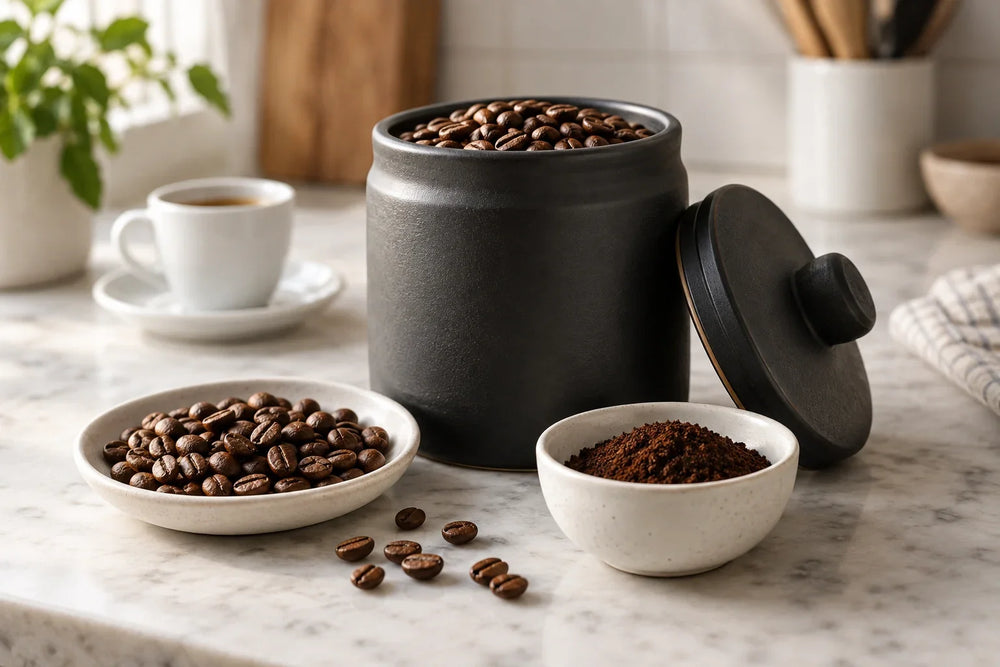
Storing coffee correctly: beans, grounds and the fridge question
Pack size, a dry storage location and a pack that closes securely matter for your coffee. Learn why expert sources disagree about the fridge.
Read guide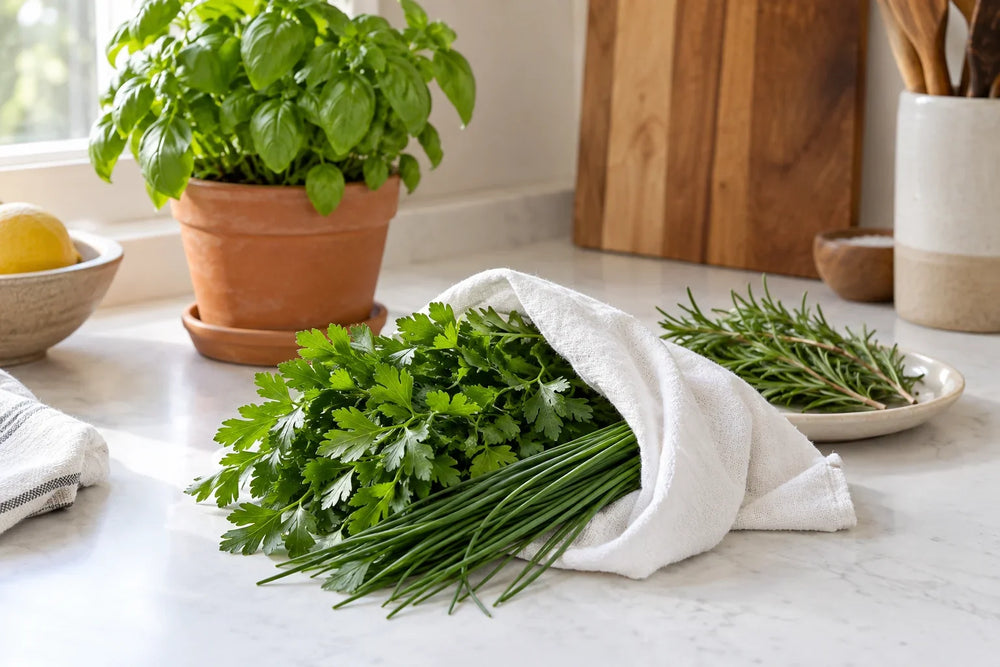
Shelf life
Keeping herbs fresh: storing basil, parsley and chives correctly
Half a bunch of parsley need not disappear in the vegetable drawer. Learn which herbs need chilling, why basil is different and how to use up any extra.
Read guide
Shelf life
Keeping salad fresh: whole heads, washed leaves and bagged salad
Whole heads need different handling from washed leaves and ready-cut bags. Prepare salad to suit your next meal.
Read guide