

Seal it! Guides
Keeping herbs fresh: storing basil, parsley and chives correctly
Half a bunch of parsley need not disappear in the vegetable drawer. Learn which herbs need chilling, why basil is different and how to use up any extra.
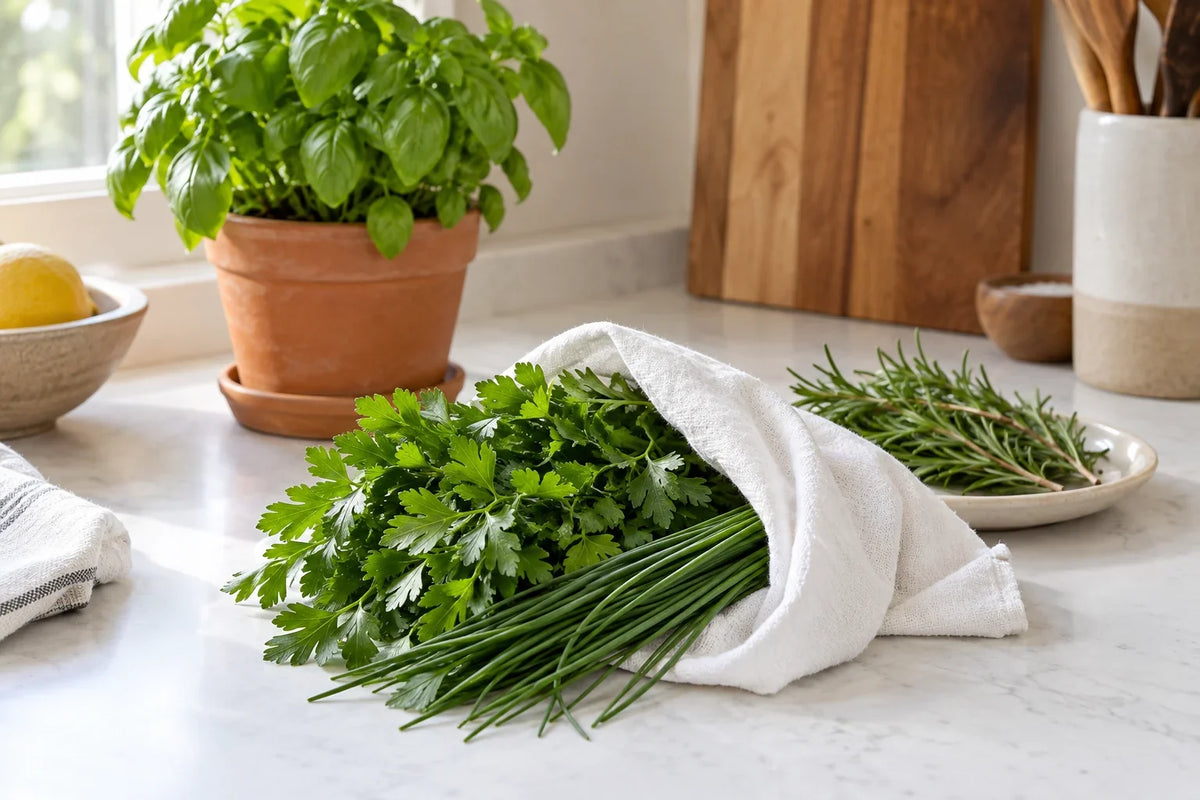
Not all herbs stay fresh in the same place: parsley and chives suit the vegetable drawer, while basil is better at room temperature. Keep what you will use soon as whole as possible. Freeze larger surpluses in portions or dry them, depending on the herb and its intended use.
Decide straight after shopping what goes into the next dish and what will remain. Half a bunch of parsley is easy to divide now. Once the leaves are mushy, even the best storage cannot help.
Which herbs belong where?
| Herb | Storage and surplus |
|---|---|
| Parsley |
Fresh: whole, loosely wrapped in a slightly damp cloth, in the vegetable drawer. Reserve: freeze in portions, for soup or herb quark, for example. |
| Chives |
Fresh: whole and loosely wrapped in the vegetable drawer. Reserve: freeze snipped into small pieces. |
| Basil |
Fresh: at room temperature; cut stems can stand in a glass of water. Reserve: freeze in portions for hot dishes. |
| Rosemary and thyme |
Fresh: store fresh bunches in the vegetable drawer. Reserve: well suited to drying. |
The German Federal Centre for Nutrition's storage overview notes the basil exception. A potted plant also needs different treatment from cut bunches: a suitable location and water, rather than a closed storage container.
Parsley and chives: slightly damp, without a water bath
Remove damaged parts and leave the rest of the bunch as whole as possible. Dampen a clean cloth, squeeze it out well and wrap herbs loosely. It should feel damp, not drip. Put the protected bunch in the vegetable drawer and check it next time you cook.
Before use, wash what you need and pat gently dry. Cut only what you need now. The BZfE recommends gentle chopping shortly before eating. Cut parsley with a sharp knife, and snip chives directly over the bowl with clean kitchen scissors.
A practical routine: take some chives for today's potato salad. Leave the rest as whole stems or freeze straight away. Chopping everything in advance creates unnecessary work if you do not yet know when you need it.
Basil needs a different place
Stand cut basil stems in a clean glass with a little water, keeping leaves above the waterline. Check water regularly and replace it if dirty. Choose a spot away from direct heat and use the leaves soon. A dark corner of the fridge is not the usual place for cut basil stems.
For potted basil, make sure excess water can drain. Harvest only what your dish needs. Yellow, limp or dark leaves can have various causes; colour alone does not reliably establish whether they are edible. Discard mouldy, slimy or rotten-smelling herbs rather than preserving them.
Freezing herbs: portion for future dishes
Wash suitable fresh herbs, pat dry and chop. Pack small portions in a suitable freezer container. Alternatively, freeze chopped herbs with a little water in an ice-cube tray. The BZfE herb guide also describes this method.
Think about the dishes you will make: parsley for a pot of soup, a small chive portion for a dip. Label herb and freezing date. One large mixed herb block is impractical when you need only a few chives. Herb ice cubes work particularly well in dishes where the extra liquid is not a problem.
Thawed herbs are not an equivalent replacement for decorative fresh leaves. Plan to use them for seasoning. Find methods for other vegetable surpluses in preserving vegetables.
Drying and packing rosemary and thyme
Robust herbs such as rosemary and thyme dry well. Hang small bunches in a dry, well-ventilated place out of direct sunlight, or spread loosely on clean paper. Pack herbs away only once completely dry. Austria's health portal explains drying versus freezing; freezing is usually more suitable for parsley, basil and chives.
For completely dried rosemary or thyme, we recommend our small VacuJars in a 3-pack. Choose the 230 ml version for small seasoning supplies: label herbs separately and serve just what you need. Store the transparent jar in the dark and fill only with completely dry herbs. This recommendation is for dry supplies; treat fresh bunches as described above. Choose your jar size here.
Write the herb name on the container rather than guessing by appearance later. Our pantry jar organisation guide shows how to arrange these small supplies clearly.
More ideas for everyday life
You might also enjoy
Pantry storage
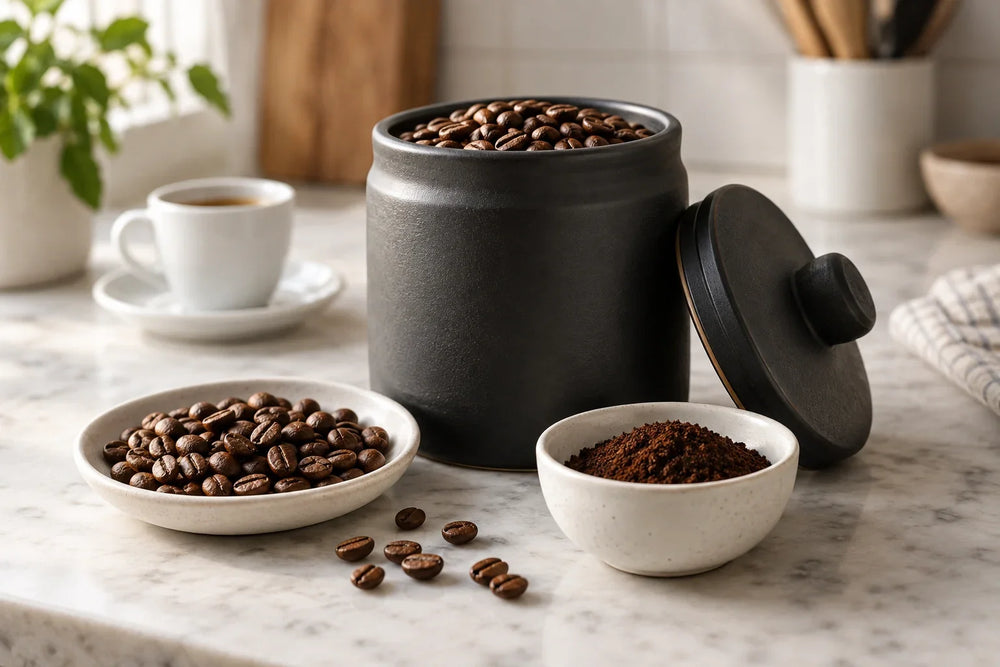
Storing coffee correctly: beans, grounds and the fridge question
Pack size, a dry storage location and a pack that closes securely matter for your coffee. Learn why expert sources disagree about the fridge.
Read guide
Shelf life
Keeping salad fresh: whole heads, washed leaves and bagged salad
Whole heads need different handling from washed leaves and ready-cut bags. Prepare salad to suit your next meal.
Read guide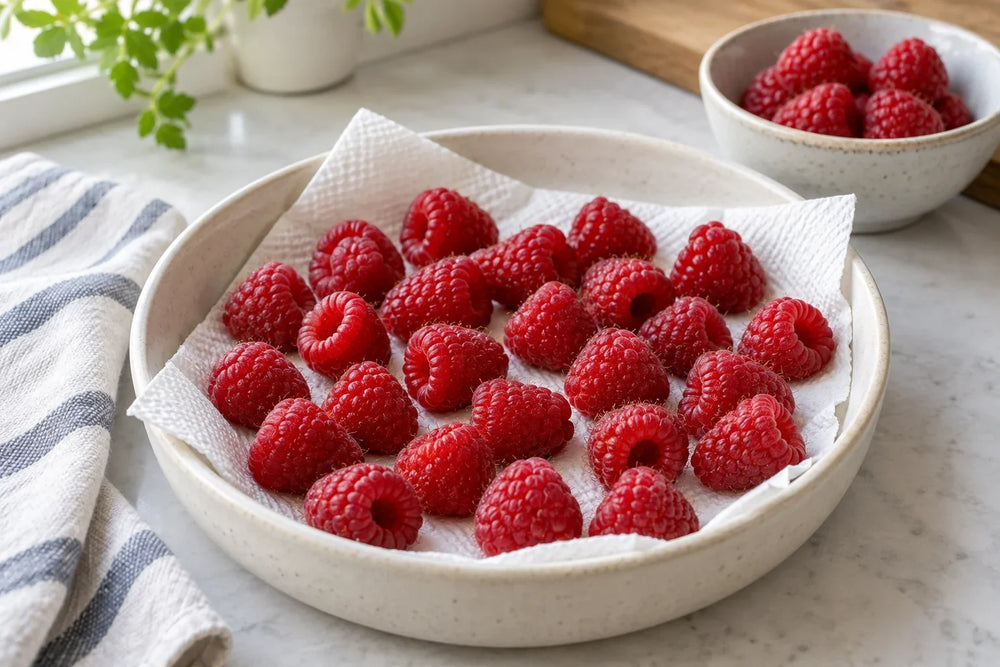
Shelf life
Helping raspberries keep longer: refrigerate or freeze?
Fresh for tomorrow or stored in the freezer? Protect delicate raspberries from pressure and prepare them for their intended use.
Read guide