

Seal it! Guides
Preserving vegetables: choosing the right method for your harvest
A full vegetable box need not become one huge project. Choose by vegetable, future dish and available storage space.
A whole cabbage, several peppers and a crate of tomatoes: when everything ripens at once, no single trick suits it all. Preserving vegetables makes most sense when you first decide how you will use them. Stir-fry ingredients need different treatment from a crisp salad or a tangy side for bread. Divide larger quantities between suitable methods rather than treating everything alike.
Three questions before processing
- How will you eat the vegetables later? Raw, cooked, blended, as seasoning or tangy fermented vegetables?
- What space do you have? A free freezer drawer, fridge space or only a pantry shelf?
- How much time do you have today? A large fermentation or canning batch needs a complete process, not just a spare moment to fill jars.
Sort your harvest or purchases first. Use only sound vegetables for preservation; preserving does not make spoiled food good again. Set aside what you plan to eat fresh soon. This is particularly useful for large crates: some becomes dinner, some becomes ingredients for later cooking, and only a small amount becomes your first fermentation experiment.
Which method suits which vegetables?
The table helps you choose a method; it does not replace processing instructions. Once you choose a method, use complete instructions for that exact vegetable. The NCHFP freezing overview includes individual vegetable guides.
| Vegetable and purpose | A useful starting point | Decide first |
|---|---|---|
| Peppers for a stir-fry or sauce | Freeze in suitable pieces | Diced for sauce or strips for the pan? |
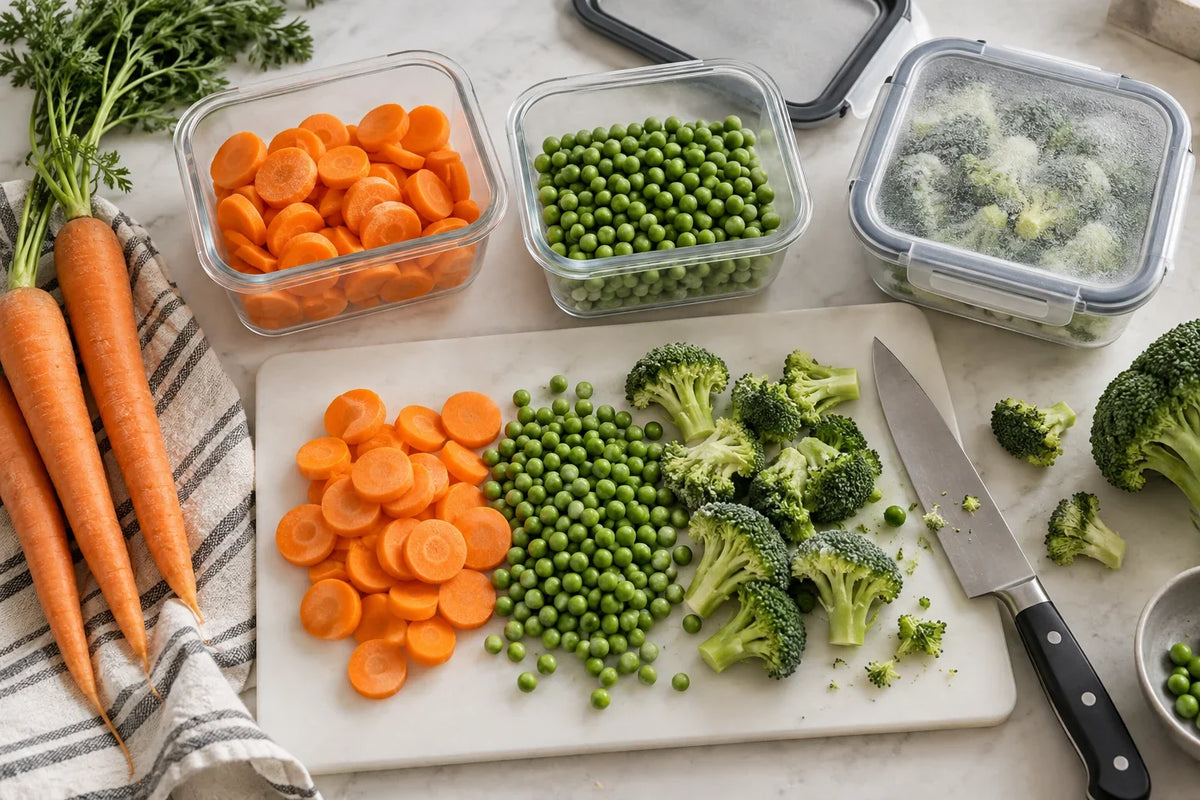
| Carrots, broccoli or green beans for cooking | Prepare and freeze according to vegetable-specific instructions | Which pretreatment and piece size does the vegetable need? |
| White cabbage for a tangy side dish | Sauerkraut made to a tested fermentation recipe | How much will you actually use? |
| Tomatoes for soups and sauces | Freeze or choose a tested canning recipe | Is freezer space available, or is shelf-stable food the goal? |
| Cucumbers for tangy side dishes | A tested pickling or fermentation recipe | A fridge product or an explicitly canned preserve? |
| Herbs or vegetables for seasoning | Dry appropriately or freeze in portions | Will you use the result dry or moist? |
Freezing: work backwards from the finished dish
Manageable portions are especially practical for quick dinners. Pack enough for one pan rather than putting the entire harvest surplus in one container. Note how the vegetables are cut on the label: “diced peppers for sauce” tells you more later than “vegetables”. If different vegetables need different preparation, handle them separately first.
Many vegetables are blanched before freezing. This slows enzyme processes that cause quality loss. Timing depends on the vegetable and its size; neither a quick splash of hot water nor an arbitrary number of minutes is a reliable substitute. The NCHFP blanching guide explains the reasons and gives vegetable-specific instructions.
Peppers show why one rule cannot cover everything: the NCHFP also describes freezing prepared peppers without blanching. Choose instructions to suit later use. Do not always expect thawed vegetables to have the same texture as freshly cut raw vegetables; a different texture can often work well in sauces and cooked dishes.
Fermenting: when you want a tangy side dish
Fermentation makes particular sense if you want to serve the result regularly. Plan three specific uses before starting, such as sauerkraut with bread, as a side or in a hot pan. This gives the experiment a place in your meal plan.
Follow a tested recipe with weighed quantities. Especially for fermented sauerkraut and brined pickles, do not reduce salt arbitrarily; the NCHFP vegetable fermentation basics explain its role. Also follow the specified temperature, duration and subsequent storage conditions. An airtight jar of raw vegetables alone is not controlled fermentation.
A purpose-designed jar, weights and suitable fermentation closure make organisation easier. Accessories and recipe must work together. Our article on choosing fermentation jars and accessories explains the options. For differences from vinegar pickling, see fermenting, pickling or canning.
For your first vegetable batch, we recommend our Fermentation Set
Want to ferment part of your vegetable box into a tangy side? Our Fermentation Set for Wide Mouth Mason Jars combines four valve lids and four glass weights: the lids let fermentation gases escape and the weights help keep vegetables below the brine. No need to find matching accessories individually.
Choose the version with jars if you are starting out; you can also add the set to compatible jars and rings you own. Jars and a tamper depend on the version. Start with a manageable amount using a suitable recipe, and monitor salt quantity, temperature and storage.
Storing vegetables without freezer space: plan carefully
A pantry shelf is convenient, but not every preparation belongs there. Fresh vegetables do not become suitable just because a jar seals tightly. Most vegetables are low-acid. For shelf-stable preserves, the NCHFP describes suitable pressure-canning processes; acidified recipes require the specified composition. Tomato sauce with improvised extra vegetables is not automatically the same product as the tested original recipe.
If you are just starting, decide before processing your harvest. Without a suitable process, choose an alternative in time or prepare a smaller amount to eat immediately. Our canning guide helps with equipment and recipe planning. Homemade vegetables in oil are not universally safe pantry supplies either; the BfR explains the associated botulism risks.
Drying: small quantities with a clear use
Dried seasoning ingredients take little space but need preparation and drying time. Start with a small quantity, evenly cut pieces and drying instructions suitable for the vegetable. Consider how often you will open the container later: several small portions may be more practical than a large supply repeatedly exposed to humidity.
Before packing, dried food must be sufficiently dry and cooled. Airtight, dry containers and regular checks protect quality. Moisture or condensation indicate a problem with storage or drying. Find the basics in the NCHFP guidance on storing dried foods. Vacuum sealing cannot compensate for inadequate drying.
A simple plan for your next vegetable box
Write down one use for each vegetable and mark the storage space available. Process what needs using soon first. Then choose just one new method to try; use familiar routines for the rest. After eating, note whether the portion and texture worked. This feedback is often more useful for your next shop than having the largest possible stock.
For bread, dairy products and cooked dishes, find more choices in our guide to helping food keep longer. If your question is specifically about packaging, read vacuum sealing food: packaging complements proper storage but does not replace your chosen preservation process.
More ideas for everyday life
You might also enjoy
Shelf life
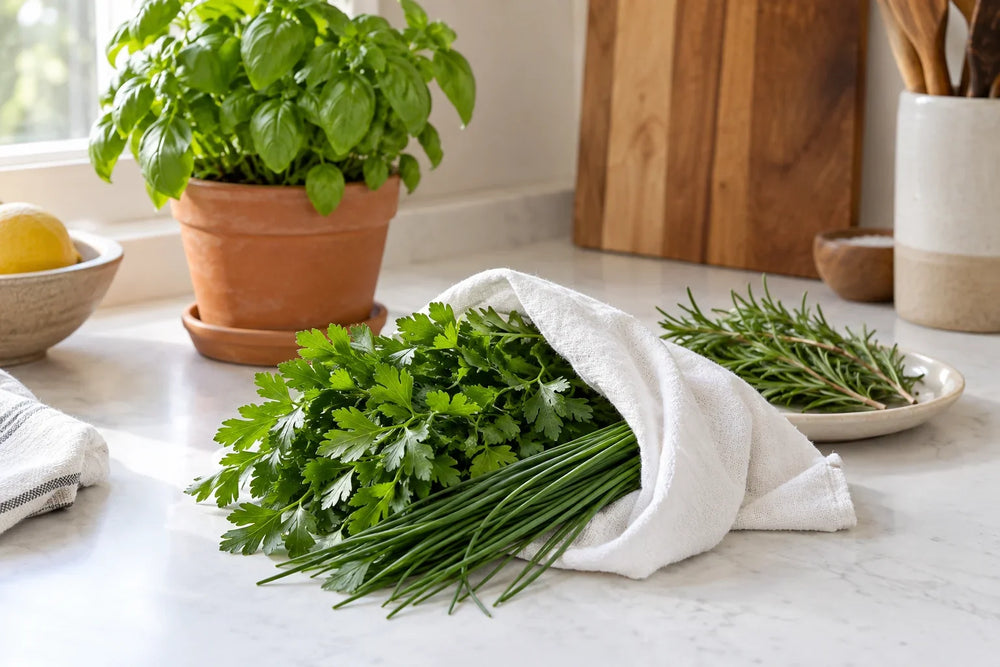
Keeping herbs fresh: storing basil, parsley and chives correctly
Half a bunch of parsley need not disappear in the vegetable drawer. Learn which herbs need chilling, why basil is different and how to use up any extra.
Read guide
Shelf life
Keeping salad fresh: whole heads, washed leaves and bagged salad
Whole heads need different handling from washed leaves and ready-cut bags. Prepare salad to suit your next meal.
Read guide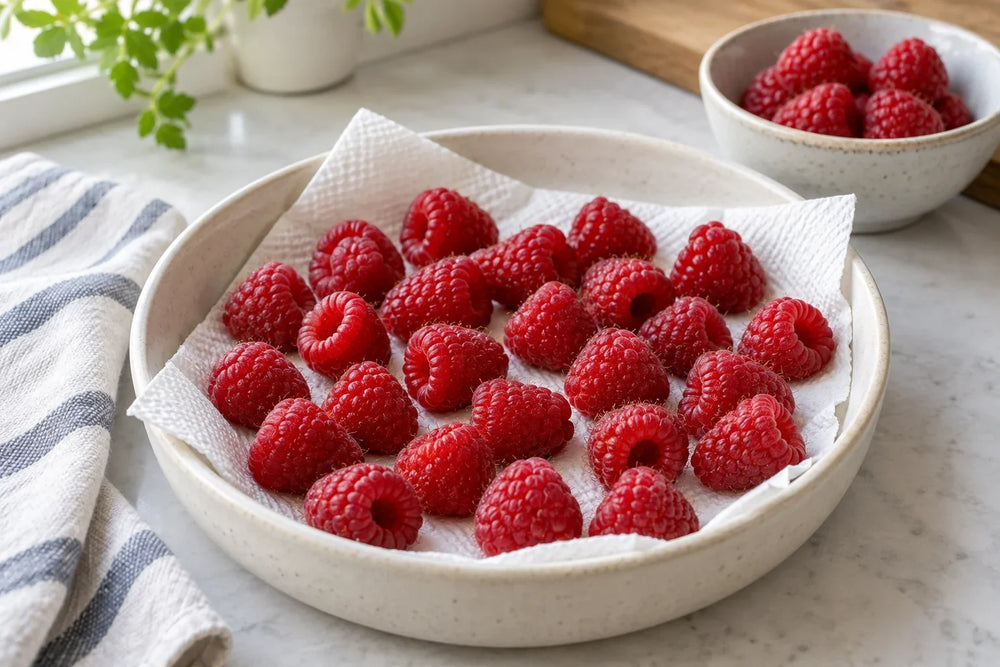
Shelf life
Helping raspberries keep longer: refrigerate or freeze?
Fresh for tomorrow or stored in the freezer? Protect delicate raspberries from pressure and prepare them for their intended use.
Read guide