

Seal it! Guides
Keeping salad fresh: whole heads, washed leaves and bagged salad
Whole heads need different handling from washed leaves and ready-cut bags. Prepare salad to suit your next meal.
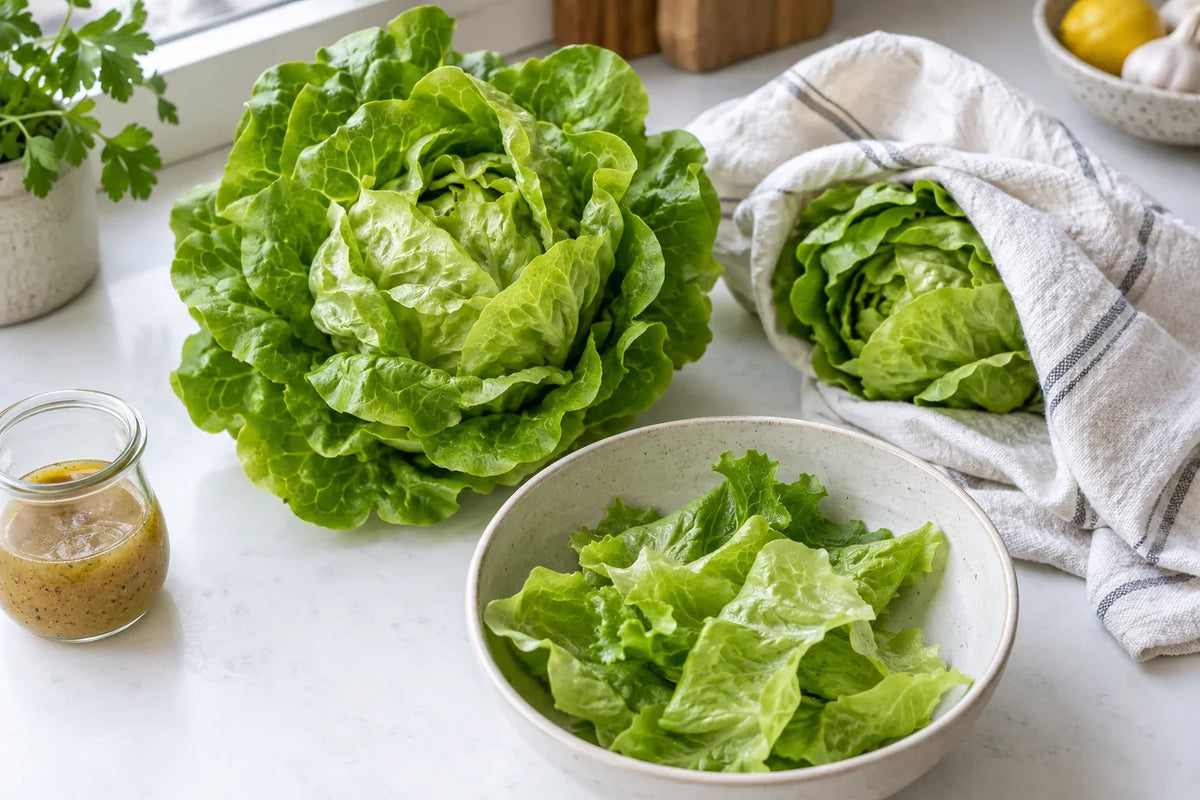
Salad stays freshest when kept cool, protected from drying out and not crushed. Washed leaves should drain well and go into the fridge without dressing. Treat a whole lettuce differently from an opened ready-cut bag or a fully dressed bowl.
The right preparation saves time without leaving you with wet, wilted leaves tomorrow. First decide which of these four situations applies.
Whole lettuce: store first, prepare for the meal later
Put the head in the vegetable drawer with enough room. A suitable container, bag or slightly damp clean cloth protects against drying. Leaves should not sit in water. Remove damaged outer leaves and do not put heavy cucumbers or packs on the head.
According to the BZfE, delicate lettuces usually keep one to two days in the vegetable drawer; firmer varieties such as iceberg and radicchio can keep up to a week under suitable conditions. These are guidelines for fresh produce, not a promise for every head after longer transport.
Plan to use tender butterhead lettuce or lamb's lettuce soon after shopping. If salad is planned for later in the week, a firmer variety is often more practical. Match shopping to the meal rather than trying to force longer storage afterwards.
Where possible, keep salad separate from apples, pears and tomatoes. Their ripening gas can accelerate wilting. Our fridge organisation guide explains how to make space.
Washed salad: drain thoroughly and store briefly
Preparing tomorrow's leaves today? Remove damaged parts and wash thoroughly without prolonged soaking. A salad spinner helps with drying. Gently spin several small portions rather than tightly packing a full bowl.
Without a spinner, drain leaves well in a sieve and gently pat away remaining water with a clean cloth. No water should collect at the bottom of the storage box. Enough container space stops leaves being compressed when the lid closes.
Put leaves without dressing in a clean closed container and refrigerate immediately. The BZfE recommends using washed salad by the next day and briefly washing again before eating. Drain again afterwards. A container keeps things organised and protects the leaves, but it does not replace refrigeration or automatically extend the recommended storage time.
Preparing salad: keep dressing and moist ingredients separate
For an office portion, use one container for leaves and a small container with a tight-fitting lid for dressing. Add the sauce only when eating. Take very juicy ingredients separately too, so leaves do not sit in them during transport.
A simple example for tomorrow's lunch: pack washed, drained leaves, keep tomatoes separate and prepare the dressing. At work, refrigerate everything again until lunch. A cool bag with an ice pack is useful for the journey if you cannot otherwise maintain refrigeration.
For a larger meal, dress only what you bring to the table first. Keep the undressed leaves chilled. Separate components also help with meal prep in jars; delicate leaves need not share one container with everything else.
Our tip for salad on the go: separate dressing in the jar
If you take salad to work, we recommend our dressing capsule for Wide Mouth Mason Jars. The stainless steel insert keeps dressing separate from salad. Remove it when eating and mix in the sauce, practical if you do not want to pack another dressing container.
You need a matching Wide Mouth Mason Jar; allow room for the insert when filling. For loosely stored leaves, our AnySeal Boxes offer another container shape. Both options still need refrigeration and prompt use.
Dressed salad: no universal storage period
Once dressing is mixed in, transferring cannot restore the original crispness. Prepare only what you plan to eat soon where possible. No general safe storage time can be given for leftover salad without knowing its ingredients and previous storage.
Salad with egg, fish or meat needs different assessment from plain leaves with vinegar and oil. Time spent on a warm buffet is part of its history too. Refrigerate remaining food promptly; subsequent cooling does not cancel a long unrefrigerated period. The BfR explains cooling and hygiene for prepared food.
Keeping salad fresh without a fridge?
A damp cloth or kitchen paper can slow drying but does not replace a cool storage location. For a picnic or outing, use a cool bag and take only what you need. Keeping salad in a bowl of water is no alternative to refrigeration either. For pre-cut products, follow the storage temperature on the pack.
Bagged salad: follow refrigeration and pack dates
Pre-cut salad mixes need more care with food hygiene than whole heads. Follow the storage temperature printed on the pack and buy for a specific meal soon. A use-by date is a firm limit; do not eat the salad after it.
The German consumer advice centre recommends rinsing cut salad before eating even if labelled prewashed. A swollen bag, lots of leaking liquid, slime or an unusual smell are reasons not to eat it. Washing does not make spoiled salad safe again.
Put an opened pack on your mental “use first” list. Its printed date is not a new storage period starting when opened. For regular supplies, decide before shopping: convenience from a bag today or a whole head for your next fresh preparation?
More ideas for everyday life
You might also enjoy
Shelf life
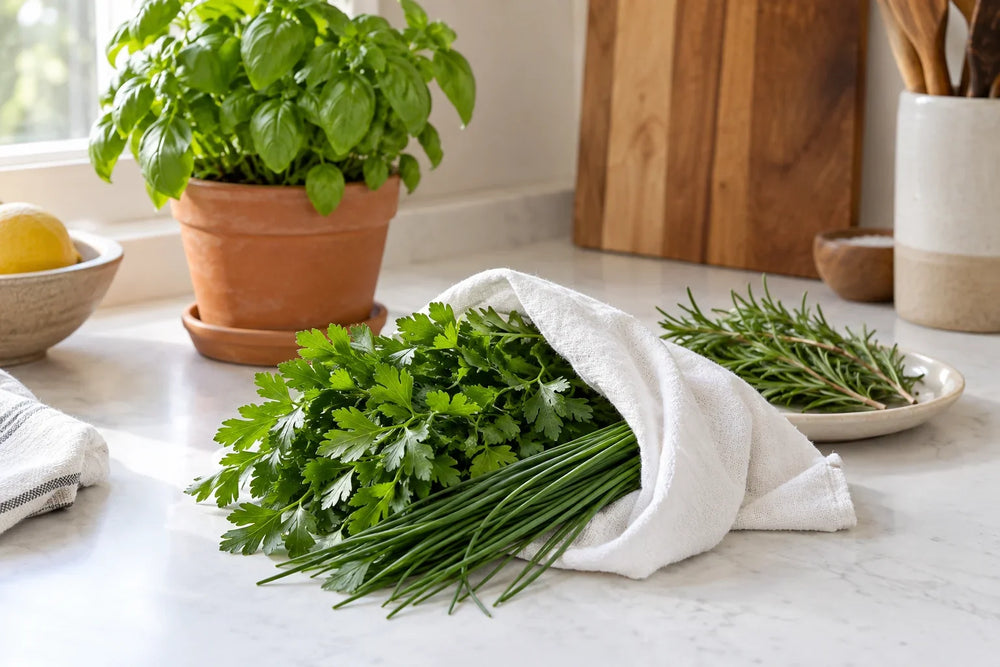
Keeping herbs fresh: storing basil, parsley and chives correctly
Half a bunch of parsley need not disappear in the vegetable drawer. Learn which herbs need chilling, why basil is different and how to use up any extra.
Read guide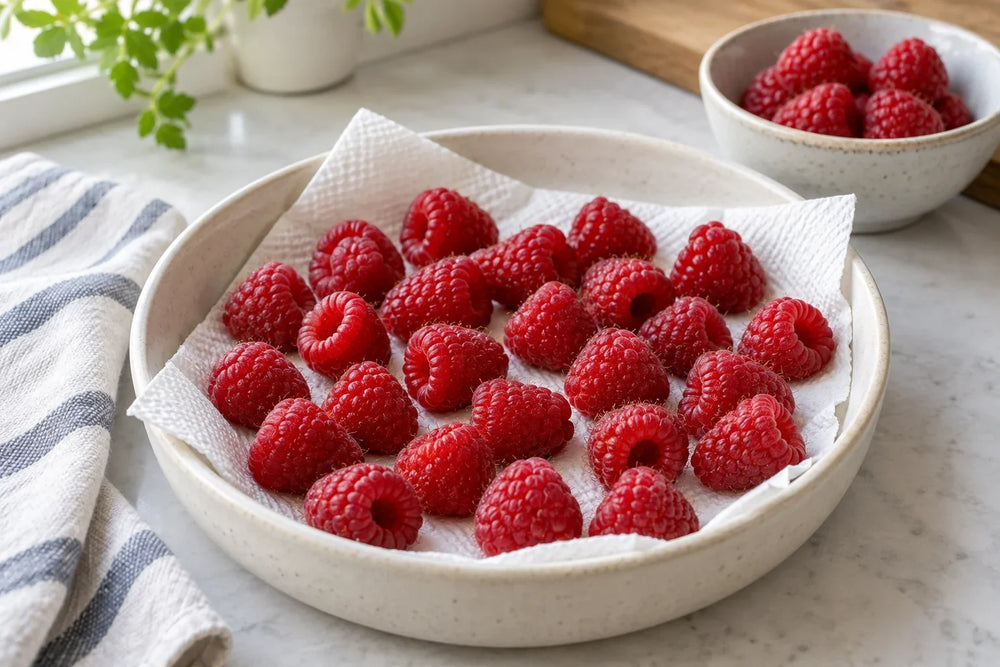
Shelf life
Helping raspberries keep longer: refrigerate or freeze?
Fresh for tomorrow or stored in the freezer? Protect delicate raspberries from pressure and prepare them for their intended use.
Read guide
Yogurt
Preparing breakfast: 5 ideas for relaxed mornings
What can you do at night, and what is better kept fresh? Five breakfast ideas with example quantities, separate toppings and less morning effort.
Read guide