

Seal it! Guides
Preparing breakfast: 5 ideas for relaxed mornings
What can you do at night, and what is better kept fresh? Five breakfast ideas with example quantities, separate toppings and less morning effort.
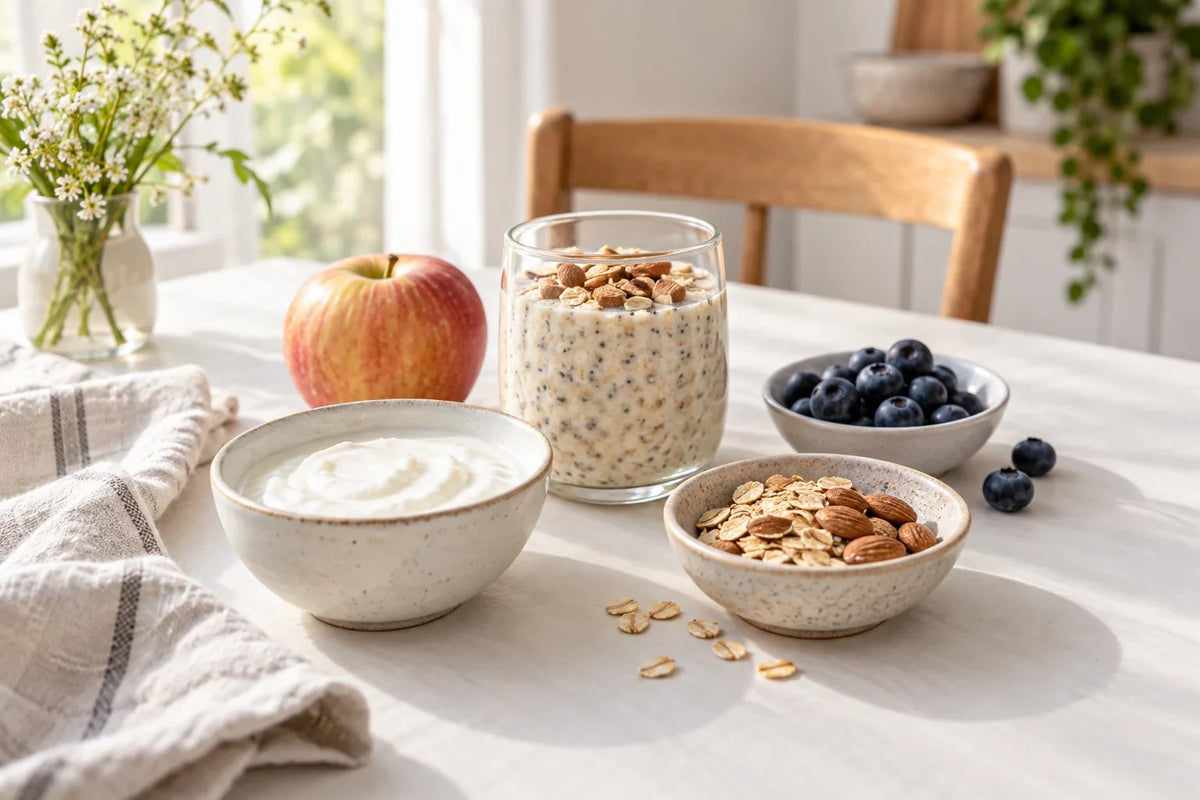
Preparing breakfast helps when it suits your morning appetite and schedule. You do not need five identical jars for an entire week. Often, mixing one portion the night before, setting out dry ingredients or preparing sandwich fillings is enough.
These five ideas are for the next morning. Choose something you already enjoy. The quantities are our recipe suggestions and starting points for your portion, not fixed dietary recommendations. To start, a bowl, suitable lid and ingredients from your normal shopping are enough.
1. Overnight oats: mix at night, finish in the morning
For an example portion, mix 50 g of oats with 120 ml of pasteurised milk or a suitable plant-based alternative. Optionally add a pinch of cinnamon and a teaspoon of nut butter. Cover and put straight in the fridge overnight. Stir in the morning, adding a small splash of liquid if needed.
Fine and coarse oat flakes give different textures. Start with the stated quantity and adjust next time: less liquid for a firmer portion, a little more for a softer result. A wide container makes stirring and eating easier; a tiny jar leaves little room for fruit.
Add half an apple or a small banana freshly cut in the morning. Keep nuts and other crunchy ingredients separate and sprinkle over just before eating. The same base can become apple-cinnamon oats or a banana-nut version without preparing several basic recipes.
2. Prepare yogurt and toppings separately
Put, for example, 150 to 200 g of natural yogurt in a bowl with a lid. Portion oats or your usual muesli into a separate small container. Set aside a piece of fruit to cut fresh in the morning. You can decide how much topping you want when eating.
For several people, these need not be individual portions. One shared yogurt base and two small bowls of dry toppings work too. Put out only what you need and keep the rest of the yogurt chilled.
Want to prepare the yogurt base yourself too? We recommend our Yog it! yogurt maker. It maintains steady warmth for up to six suitable individual jars, practical if yogurt is already a regular breakfast food. Choose with or without jars, then a suitable starter culture according to the set contents. Our yogurt guide explains the full process, including chilling. Plan fermentation time ahead; starting a batch is not a last-minute step before breakfast.
3. Put together a savoury breakfast box
If you prefer savoury breakfasts, plan bread, a spread and vegetables. For example, combine two slices of bread, two tablespoons of hummus and some cucumber or pepper pieces. Keep components that need chilling covered in the fridge. Store bread separately so it does not absorb vegetable moisture.
For eating on the go, take the spread in a small sealed container and spread it on bread when eating. At home, leave ingredients in their existing containers and set out a plate and cutlery the night before. This saves transferring food and makes preparation useful even for one morning.
If you prefer taking sandwiches ready-made, choose fillings you also enjoy after refrigerated storage. Pack very juicy tomato slices or cucumber separately. This is mainly about texture; elaborate layering is unnecessary.
4. Prepare a dry porridge portion
Want a warm breakfast without searching for ingredients in the morning? Measure, for example, 40 to 50 g of oats the night before and add cinnamon to taste. Set out the small saucepan or bowl you will use. Keep liquid separate and add it only in the morning.
Cook oats with milk, water or a suitable alternative according to pack instructions. Add a spoonful of apple purée or freshly cut fruit at the end. Unlike overnight oats, this is not immediately ready to eat, but it saves measuring and gathering ingredients.
Prepare dry portions for several mornings in small containers you own. Label different mixtures. Once liquid is added, storage conditions change: the finished mixture no longer belongs in the pantry.
5. Prepare bread portions instead of an entire breakfast
Sometimes one prepared component is enough. Slice fresh bread to your preferred thickness and freeze suitable portions separately. You can take out the slices needed rather than slicing a whole loaf in the morning. Choose thawing or reheating methods suited to your bread and appliance. See keeping bread fresh for more.
The night before, set out a plate, knife and unopened jam. Fillings that need chilling stay in the fridge. If helpful, note “bread + cheese + apple”. It sounds small but is often more practical than a recipe requiring an extra evening shopping trip.
Combine this with other ideas too: a small yogurt portion plus bread instead of a large bowl of oats. Match portions to your appetite so preparation does not regularly create extra leftovers.
Chilling and transport: a quick evening check
Work with clean hands, containers and cutlery. The BfR recommends consuming prepared meals with raw components by the following day at the latest. Plan these breakfasts for tomorrow and follow all ingredients' storage instructions too. Portions that need chilling stay in the fridge until you eat; use a cool bag and ice pack for transport.
Put your spoon beside your bag and pack the chilled breakfast just before leaving. At your destination, put it in a fridge unless eating immediately. A closed container alone does not keep contents cold. See storing leftovers for more on prepared food.
Sources and further guidance
More ideas for everyday life
You might also enjoy

Shelf life
Keeping salad fresh: whole heads, washed leaves and bagged salad
Whole heads need different handling from washed leaves and ready-cut bags. Prepare salad to suit your next meal.
Read guide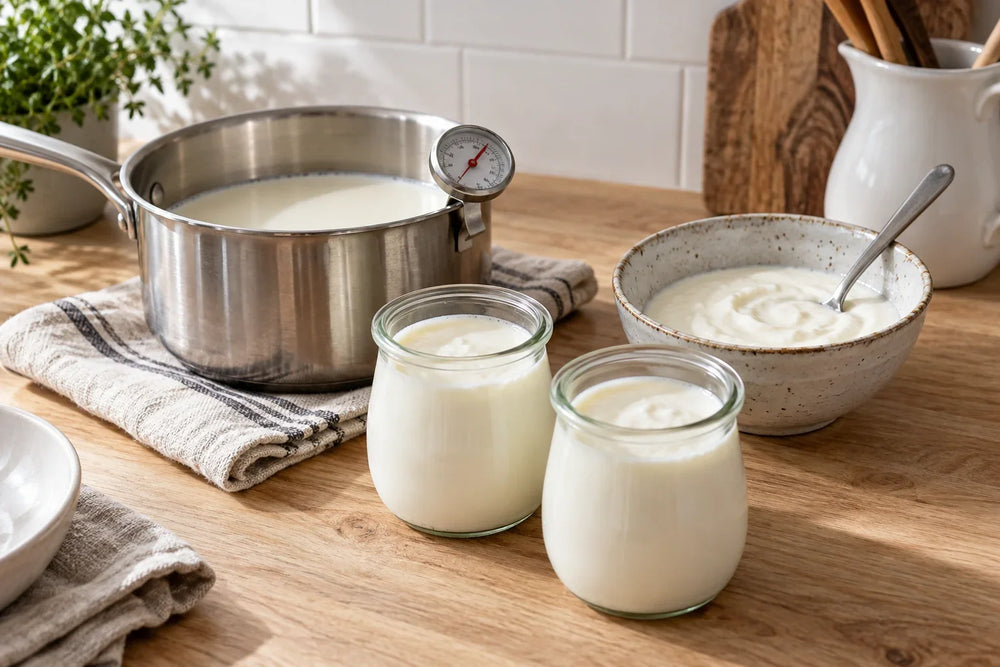
Yogurt
Making yogurt at home: with and without a yogurt maker
Milk, a suitable starter and steady warmth: start making your own natural yogurt, with or without a maker.
Read guide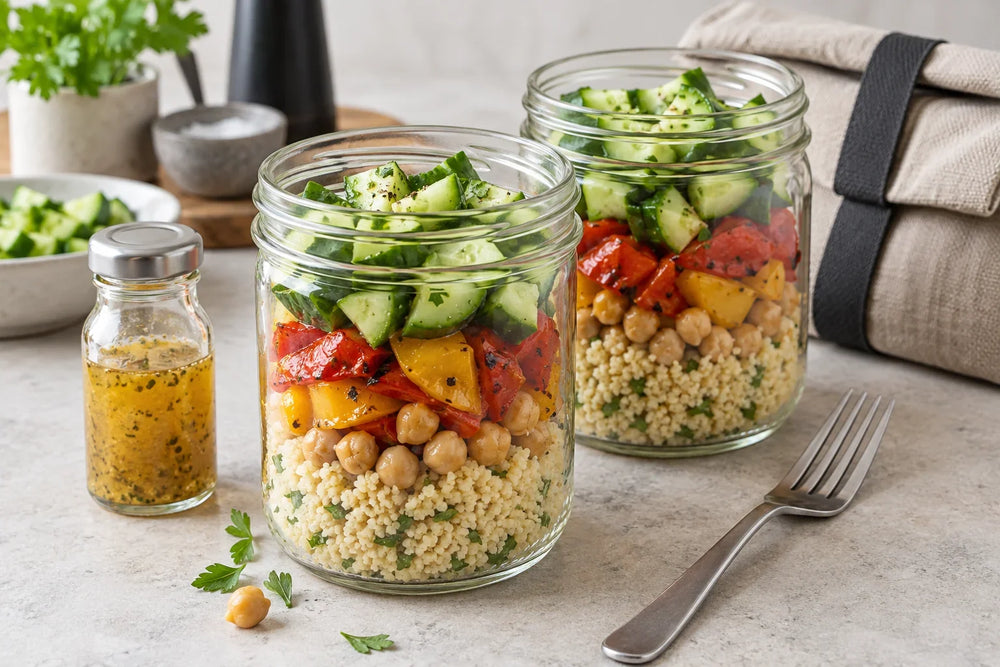
Meal prep
Meal prep in jars: prepare well, store correctly
A simple routine for prepared meals, from choosing containers and labelling to keeping food chilled in transit.
Read guide