

Seal it! Guides
Which jars are suitable for vacuum sealing?
Not every screw-top jar automatically fits. Compare containers, lids and adapters to find the combination you actually need.
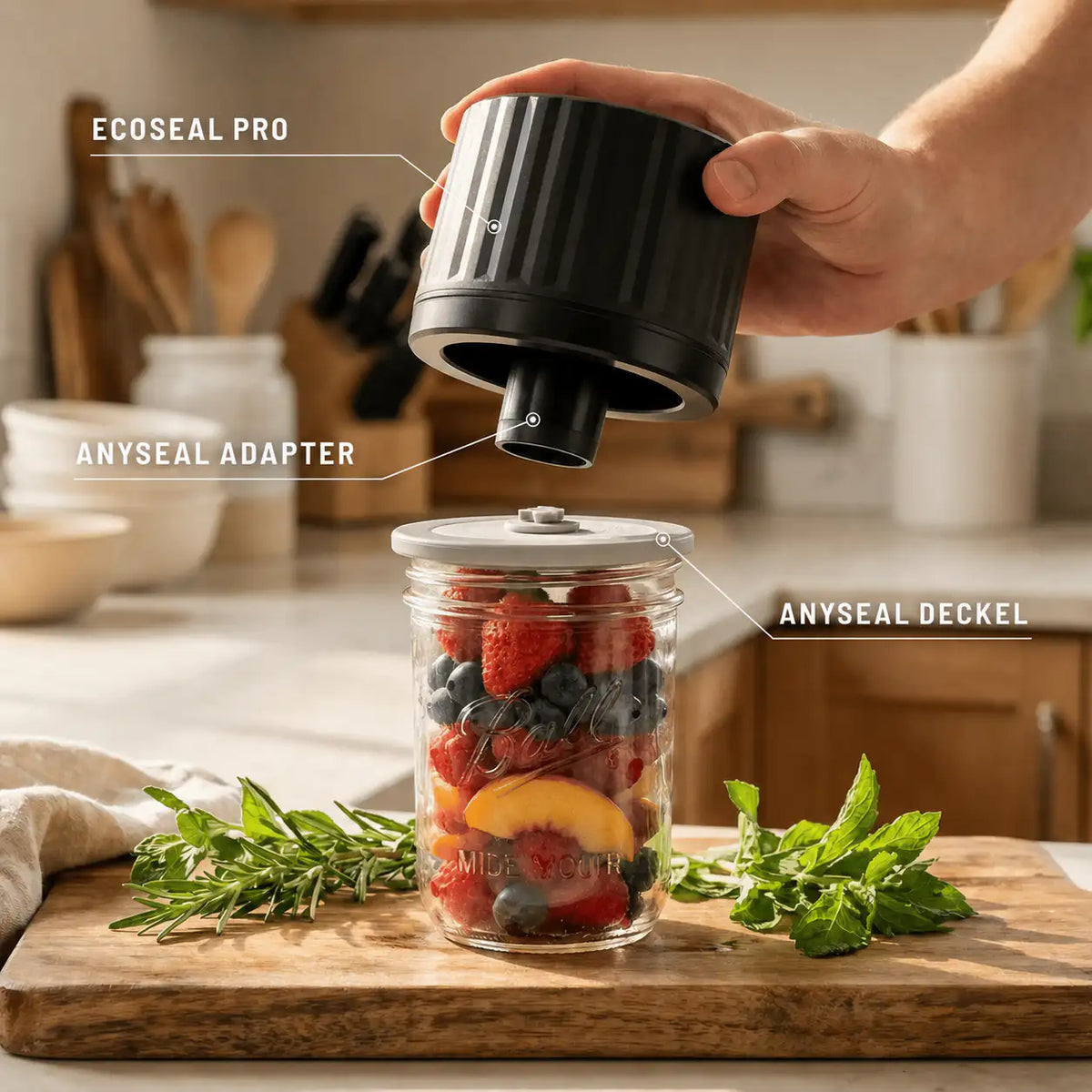
A jar's capacity in millilitres is not enough to determine suitability. Its opening, closure and adapter also matter for vacuum sealing. A large jar can have a small mouth; two similar-looking lids may belong to different systems. Checking these features separately makes choosing much easier.
The short answer: with EcoSeal Pro, use compatible Seal it! jars with their intended original lids. Many containers you own can be used with an AnySeal Adapter and AnySeal Lid; the stated opening range is 30 to 85 mm. The container must still be suitable.
Still deciding which sealer suits your kitchen? Our vacuum sealer buying guide compares bag, chamber and jar sealers by intended use.
Comparing jar systems
| System | Sizes in the shop | Closure and features |
|---|---|---|
| VacuJar | 230, 350, 770 and 1062 ml | Matching twist-off jars. Opening: 60 mm for 230 ml, 82 mm for the other sizes. |
| Ball Mason Jar | 236, 473 and 946 ml | Two-part closure. 236 ml: Regular Mouth; 473 and 946 ml: Wide Mouth. |
| Your own suitable container with an AnySeal Lid | Depends on the container you own | Opening range 30–85 mm; AnySeal Adapter required. |
| AnySeal Box | 500, 800, 1400 and 2700 ml | Borosilicate glass with matching vacuum lid and date indicator; AnySeal Adapter required. |
The table describes the versions currently offered. Check your selected version and its contents when buying. A lid set or extension set does not automatically include a vacuum sealer; an individual box does not contain an extra EcoSeal Pro.
What makes EcoSeal Pro with its included AnySeal System special: you can directly reuse many suitable supermarket jars. Opened pesto stays in its suitable original jar; to vacuum seal it, replace the screw lid with a suitable AnySeal Lid and use the adapter in EcoSeal Pro. Without transferring the contents, the label information stays with the jar too. Once empty, the suitable, cleaned jar can hold new supplies. The checks below help you choose; refrigeration and consumption instructions after opening still apply.
How to check a jar you already own
- Inspect the mouth. Check the container opening, not the widest diameter of its body. The AnySeal product description specifies 30 to 85 mm.
- Check the sealing surface. The intended lid must rest cleanly, evenly and completely on the rim. Chips, cracks or a damaged rim rule the jar out.
- Confirm the container is suitable. The right width alone does not prove that an arbitrary decorative or thin-walled jar can withstand a vacuum. Use suitable food containers and follow the manufacturer's specifications.
- Choose the correct system. Use your own containers with an AnySeal Lid and Adapter. Looking similar to a VacuJar does not establish suitability for direct use with the old lid.
- Ask if unsure. A photo of the opening and rim, plus the measured size, helps support much more than “a medium-sized jam jar”.
You do not need to replace every jar you own. Sort them first: clearly compatible, potentially suitable with AnySeal, and uncertain. Use only confirmed combinations for vacuum sealing. Other intact storage jars can continue doing their normal job.
Regular Mouth or Wide Mouth Mason Jar?
These names describe two different mouth types. They matter more than capacity when buying lids. In the Seal it! range, the small 236 ml Ball Mason Jar is Regular Mouth; the 473 and 946 ml versions are Wide Mouth.
Another feature is the two-part closure, comprising a sealing disc and screw band. When preparing for vacuum sealing, follow the instructions for this lid type. Do not automatically follow the procedure for a twist-off jar. Lid-use rules for canning are a separate matter and are not replaced by vacuum-sealing instructions.
A wide opening is often convenient for chunky ingredients and serving with a spoon. That is a matter of handling, not an extra shelf-life guarantee. If you want to add accessories later, explicitly check the stated mouth type for each attachment. “For Mason Jars” alone is too vague. Our Mason Jar guide to lids and accessories explains which lids and accessories fit which jars.
Which size suits your routine?
Start with your usual quantities: how much do you take out at once, how high is the fridge shelf and which spoon needs to fit inside? A small jar is easier to manage for small ingredient amounts than a nearly empty large one. A shallow box may be more convenient than a tall jar for complete meals.
| Your routine | A useful starting point | Check first |
|---|---|---|
| Small amounts of ingredients or snacks | Small jar, such as a 230 ml VacuJar or 236 ml Mason Jar | Is the opening wide enough to serve cleanly? |
| Breakfast and individual pantry ingredients | Medium-sized jar | Does the amount you actually use fit with space below the lid? |
| A complete meal | AnySeal Box matched to the portion | Does it fit well in the fridge and for transport? |
| Larger quantities of dry food | Large jar or several small portions | How often would you open the entire supply? |
Millilitres measure volume, not weight. “770 ml” does not tell you how many grams of oats, rice or nuts will fit. Also allow the space below the lid required by the instructions.
Which adapter do you need?
For your own suitable containers with AnySeal Lids, and for AnySeal Boxes, you need the AnySeal Adapter in EcoSeal Pro. The AnySeal Extension Set is intended for people who already own the sealer. According to the product description, the adapter is compatible with every EcoSeal Pro sold to date.
The AnySeal System is included as standard with the current EcoSeal Pro: the adapter and three AnySeal Lids are already included. You do not need to buy the extension set as well. For an older sealer you own, check your existing accessories first. The Small Adapter for small Seal it! jars and the AnySeal Adapter serve different purposes; choose according to the relevant instructions.
A secure seal does not automatically make food shelf-stable
Compatibility resolves the technical question of closing the container. The food's storage conditions still apply. Vacuum sealing does not sterilise food or make refrigerated food suitable for unrefrigerated storage. See practical steps in our guide to vacuum sealing jars.
Our recommendation: match your storage habits
Want new jars to use directly with EcoSeal Pro? We recommend our matching VacuJars with their intended original lids. Want to add dressing or fermentation attachments later? Choose Wide Mouth Ball Mason Jars and check the size for each accessory.
For suitable jars you already own, the EcoSeal Pro with its AnySeal Adapter and three lids is the right starting point. Already own one and want to close more containers at once? Add extra AnySeal Lids; your existing adapter is enough.
Product sources
Sizes, mouth types and adapter details come from the linked Seal it! product pages for VacuJars, Ball Mason Jars, AnySeal and AnySeal Boxes.
More ideas for everyday life
You might also enjoy
Vacuum sealing
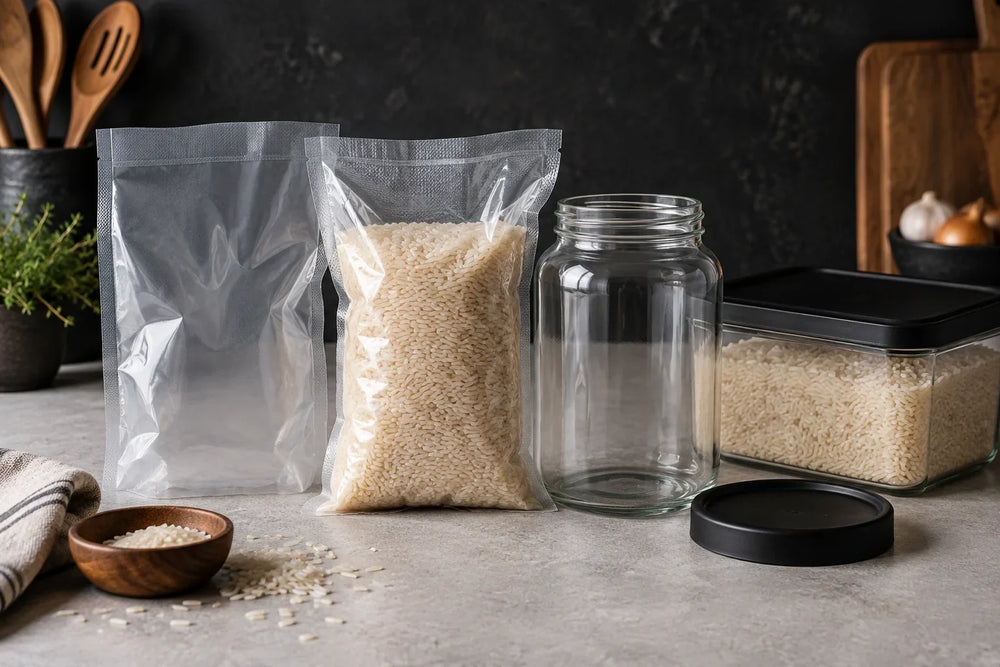
Which vacuum sealer suits you? Comparing bag, chamber and jar systems
Bag portions, soups or pantry jars: compare systems by your kitchen routine and choose one that actually suits you.
Read guide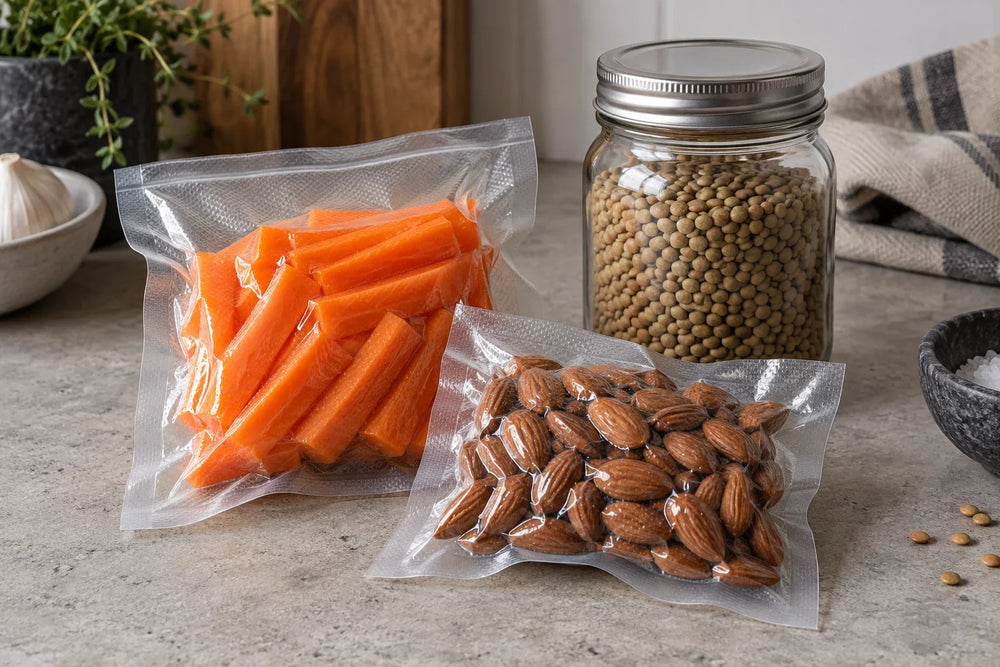
Vacuum sealing
Vacuum sealing food: benefits, suitable foods and limits
What does vacuum sealing really offer? Find packaging that suits your food and learn which storage rules still apply.
Read guide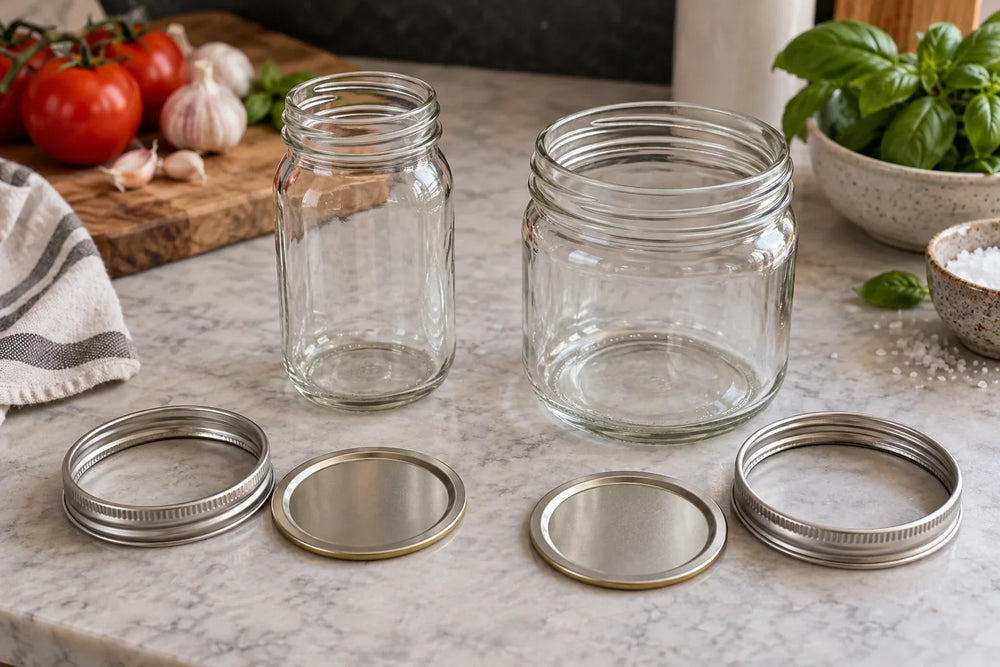
Jars & accessories
Mason Jars: Regular Mouth or Wide Mouth? Finding lids and accessories
The right opening is only the start: find matching lids and attachments for your Mason Jar and avoid common size mix-ups.
Read guide